

Placenta Encapsulation: Women’s Experiences, Cultural Meaning & Current Research
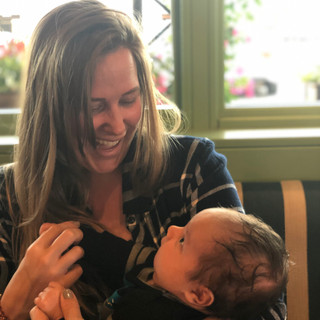
The placenta is a remarkable, temporary organ, and families relate to it in many different ways. Some choose burial, ceremony, art or keepsakes. Others choose encapsulation as part of their postpartum experience. This page makes room for both women’s lived experiences and the limits of the current research.
Why some women choose placenta encapsulation
Women commonly describe choosing encapsulation in hopes of feeling more emotionally steady, energetic and supported during postpartum recovery. Others are drawn to the symbolism of receiving something back from the organ that sustained their baby.
In a 2013 internet survey of 189 women who had consumed their placentas, most described the overall experience positively. The most frequently reported perceived benefits included:
Improved postpartum mood — reported as a benefit by 40%
Increased energy or decreased fatigue — 26%
Improved lactation — 15%
Reduced postpartum bleeding — 7%
These are self-reported experiences. They tell us what participating women felt and valued, but they cannot establish that the capsules caused those changes. Participants chose both placentophagy and participation in the survey, and there was no placebo comparison.
Read the original 2013 survey abstract on PubMed.
Placenta, culture and ceremony
Across cultures, the placenta has often been treated as meaningful rather than ordinary waste. Traditions have included burial, protection from animals, ceremonial placement, naming, honoring the placenta as a relative or companion, and beliefs connecting it with the baby’s health, identity or future.
It is important, however, not to turn placenta consumption into a universal ancient tradition. A cross-cultural review of 179 societies found that cultural treatment and disposal of the placenta were widespread, while maternal consumption was rare. Modern encapsulation is more accurately understood as a contemporary postpartum practice that exists alongside a much older and broader human tradition of honoring the placenta.
Explore the cross-cultural survey on PubMed.
Why placenta research is complicated
Every placenta is biologically individual. Its composition may be influenced by gestational age, maternal nutrition and supplementation, medications, environmental exposures, pregnancy complications and the placenta’s own function. Encapsulation practices also vary in preparation, temperature, dehydration time, capsule size, dose and timing.
Researchers must also separate the capsule itself from expectation, personal meaning, postpartum support, sleep, nutrition, feeding experiences and the natural hormonal transition after birth. These challenges call for better-designed and larger studies. They do not mean the effects are impossible to study, but they help explain why the available evidence remains limited.
What controlled studies have found
Small randomized, double-blind pilot studies have compared encapsulated placenta with a placebo. So far, they have not demonstrated robust differences in maternal mood, bonding or fatigue, and placenta capsules did not significantly improve postpartum iron status compared with placebo.
Read the mood, bonding and fatigue study.
Read the maternal iron study.
Researchers have detected hormones and trace minerals in processed placenta. One study found only modest quantities of micronutrients at commonly recommended doses. Another found small dose-related changes in some salivary hormones, but those findings have not been shown to produce a therapeutic clinical benefit.
Read the trace-mineral study.
Read the salivary-hormone study.
What this means for informed choice
A woman’s positive experience does not become meaningless because a clinical trial has not confirmed it. At the same time, a collection of positive stories cannot establish effectiveness or predict how another person will respond. Both truths belong in an honest conversation.
Placenta capsules should not replace evaluation or evidence-based care for postpartum depression or anxiety, anemia, hemorrhage, low milk production, infection, thyroid symptoms or other medical concerns.
Safety deserves equal space
Placenta processing is not sterilization, and no method can guarantee elimination of all pathogens. The CDC documented a case involving recurrent Group B Streptococcus infection in a newborn in which the same strain was identified in the mother’s placenta capsules. The CDC advises against placenta capsule ingestion, particularly in circumstances involving GBS colonization or infection.
Read the CDC case report and guidance.
The Whole Mama approach
Whole Mama offers placenta encapsulation as a client-chosen postpartum and keepsake practice. We do not promise that capsules prevent depression, increase milk supply, correct anemia, balance hormones or treat any medical condition.
One placenta is handled at a time using dedicated equipment.
Every client completes an intake and eligibility review.
Proper release, storage and transport must be confirmed.
Capsules are prepared only for the person whose placenta was processed.
Each family receives transparent information about possible risks, reported experiences and current evidence.
You are allowed to value women’s stories, cultural meaning and personal intuition while also asking careful questions about evidence and safety. Informed choice should have room for all of that.

Comments